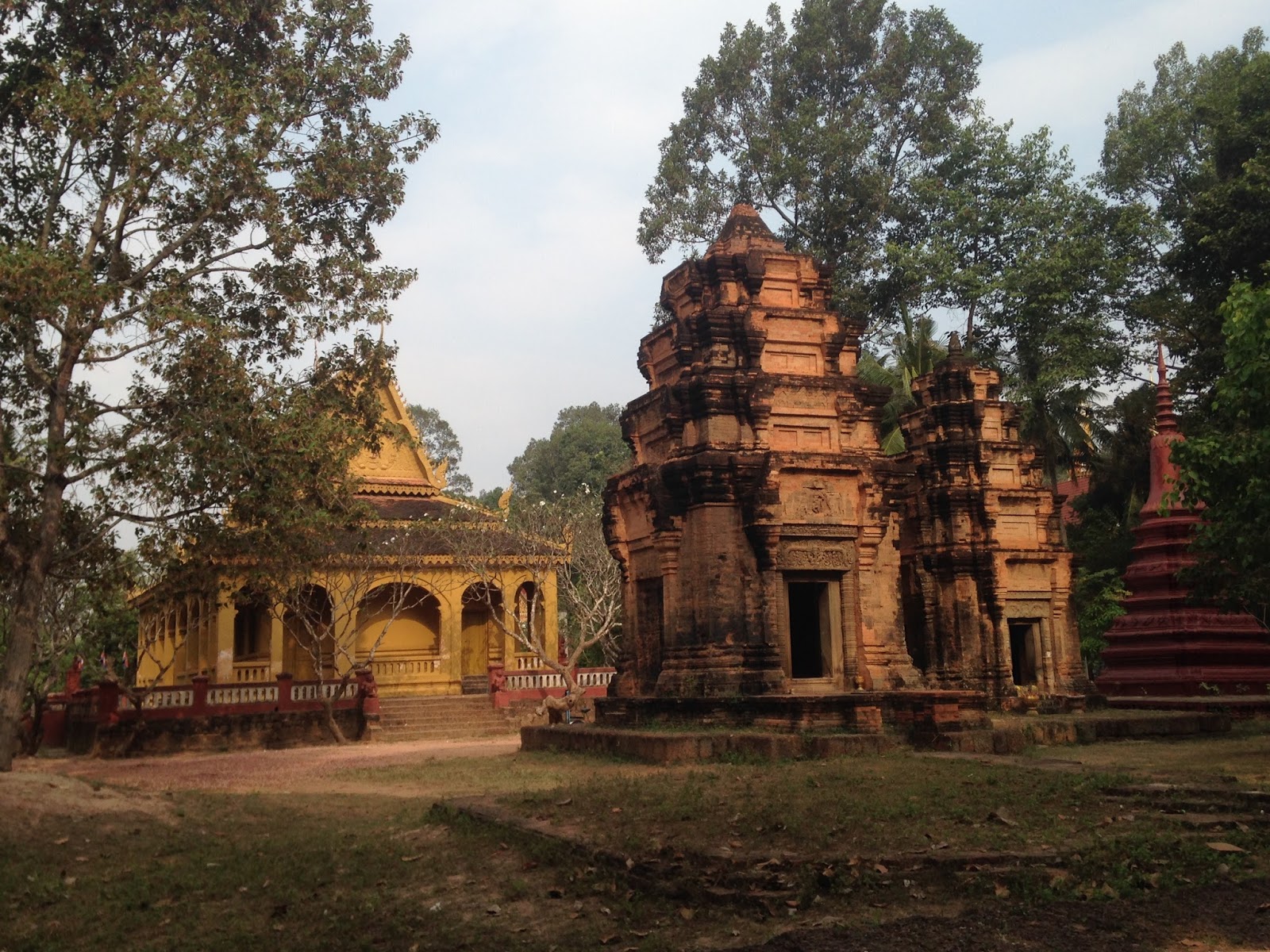
I attached two of the behind the scene photos and an extra about the location, where I set my camera. You also can see how the temples looks like from the other side.
Showing posts with label Siem Reap. Show all posts
Friday, May 11, 2018
Waiting / non narrative experimental slow cinema
My latest film "Waiting" is available to watch on Vimeo here . The stupa and the thousand year old small ancient temples are located at Prasat Preah Enkosei, Siem Reap, Cambodia. There is an elementary school in the yard of the pagoda, but you only hear the voice of children off screen and the cicadas living on the treetops. In my films not only matter what you see, but also an important part what you hear. ....
I attached two of the behind the scene photos and an extra about the location, where I set my camera. You also can see how the temples looks like from the other side.
Labels:
Cambodia,
Canon 5D Mark III. contemporary art,
contemplative cinema,
experimental film,
filming,
Janos Kish,
Pagoda,
Prasat Preah Enkosei,
Siem Reap,
slow cinema
Location:
Krong Siem Reap, Kambodzsa
Thursday, August 25, 2016
Photography out of the beaten path
It was a good occasion to accept my old fellow the Siem Reap based Dutch photographer Eric de Vries invitation to join for a street photography session. We spent a few hours before sunset in a dusty BUT SAFE area at the suburb of Siem Reap far from the tourist crowds. We were not invisible but it was a great opportunity to team up with Eric again and get a bit closer to a the local Khmer community. Children were playing everywhere on the streets and the backyards. It wasn't a problem there's no electricity at all.
The pictures below were taken by Canon 5D Mark III and the Lenses I used: Canon EF 24-105mm f/4L IS USM and Canon EF 50mm f/1.4 USM
No flash of course. Only natural lights.
I didn't use neither Photoshop nor Literoom or any other editing software to alter or retouch the pictures.
The pictures below were taken by Canon 5D Mark III and the Lenses I used: Canon EF 24-105mm f/4L IS USM and Canon EF 50mm f/1.4 USM
No flash of course. Only natural lights.
I didn't use neither Photoshop nor Literoom or any other editing software to alter or retouch the pictures.
Friday, November 13, 2015
Cambodia showreel
Click here to watch the showreel
Monday, January 12, 2015
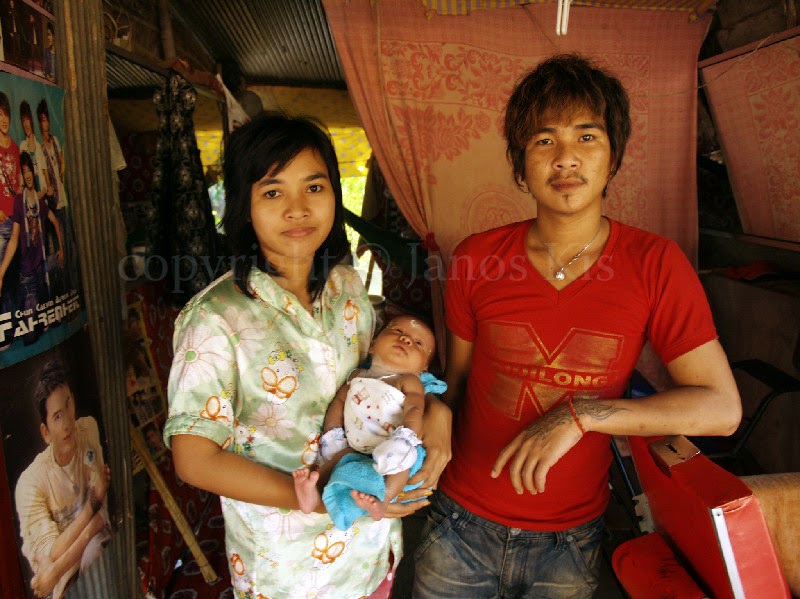
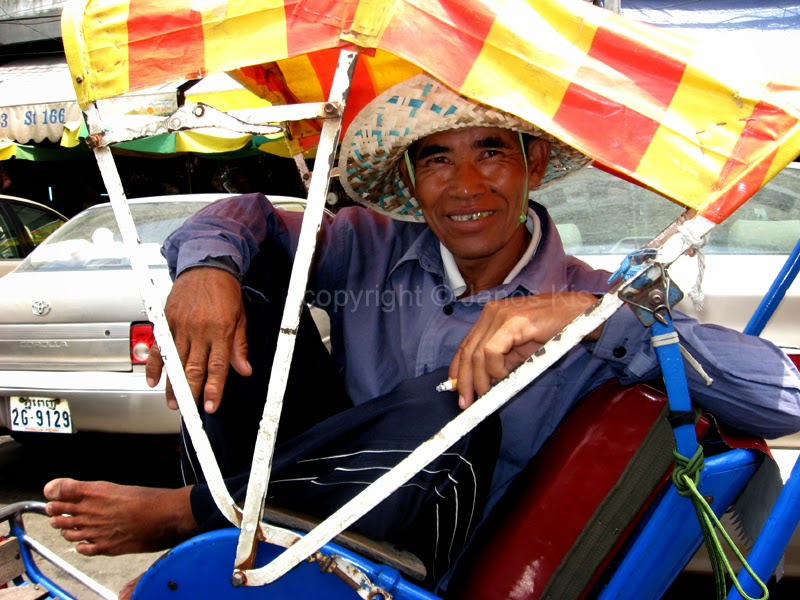
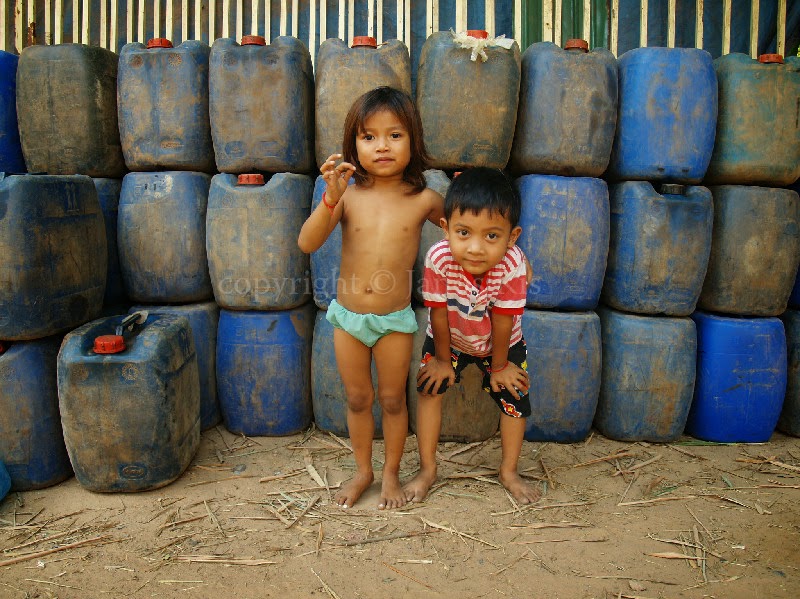
Faces of Cambodia
Taking pictures with a shorter or longer lenses don't change perspective. Chose your location carefully, change the background, ambiance and do everything t take a great photograph. Sometime just go a little closer to the subject.
Location:
Cambodia
Saturday, April 14, 2012
Cambodia Fixer Services

Nikon Pro Magazine published an interview with me and other two fixers about what it takes to make a shoot happen. "The guys behind the scenes who make it all possible and speak to three of the industries top fixers. "
The magazine is available in English, French, Spanish, Italian and German. The international circulation is 75.000 and can get the ipad edition.
Fixers help foreign journalists, photojournalists and TV crews to get a story. They also often function as production coordinators so their responsibility is huge. Finally they have to safely get the journalists and photographers out of the country. Often the success of an assignment depends on the experience and flexibility of the fixer. I have been working on different projects as a fixer and documentary photographer. My clients usually find me on the internet via social media sites like Lightstalkers, Facebook, Twitter or they come across my blog. I cover mainly humanitarian issues such as land mines, displacement and migrant workers. I worked on a documentary film on child labour, which won several international prizes. Currently I am researching an investigative journalism story on human trafficking. The research I do involves everything from data collection, location scouting, liaison with local authorities and NGO’s, film companies, arranging licenses, choosing interpreters set up appointments to the coordination of local crews.
Local knowledge is of course hugely important when working as a fixer, but you need a wide range of other skills as well. Good communication, being organised and speaking the relevant languages are a must. It’s an advantage if you have a background or knowledge in social studies, journalism and photojournalism or the film or travel industry. When starting a project, you must be sure that you can deliver what your client expects you to. You must know the country and the area and know the local culture and customs inside out. It is very useful if you have well-maintained government contacts, which make it a lot easier to secure documents and licences. Contact with travel agents, shipping companies, embassies, the expat community and reliable local helpers are also important and being able to arrange accommodation, transport, bodyguard and interpreter services is essential.
But more than anything you need a very good nose for when a situation is turning bad. When I set up a journalist with contacts, I first do some research to make sure the source is reliable and then negotiate an agreement. I mainly work in Cambodia, where there is no absolute freedom of speech, but locally published foreign papers sometimes strongly criticize the government. Luckily the foreign media isn't demonized here – in fact, many Khmer people prefer to talk to foreign journalists, because they believe an article or a broadcast in English or French has more power then one in their local media. They know the value of independent foreign newspapers, which can bring the attention of the world to the issues that concern them. It is very important that the sources feel they can trust me, but this isn't always possible – some of my contacts are too afraid to cooperate. I always explain the importance of the mission in great detail, because they have to understand what I am talking about and that I am not their enemy.
Working as a fixer can be dangerous, but you can minimize the risk by getting adequate and reliable information. It is worth keeping in mind though, that journalists leave once they get their stories but fixers stay behind, so both have to understand each others’ rules. Fortunately my clients care about my opinion and usually act upon it. However that doesn't mean there weren’t any close calls.
My advice to anybody who would like to be a fixer is to discover the country you work in and learn as much about it as you can. Develop your local knowledge and contacts. Maintain good relationships with people who you think can help your business. Read and listen to the local news and be up to date on what is going on around you. And be honest to the people you work with. If you are a photographer working with fixers, you need to get as much background information about your fixer as you can, including personal details. Hire them only if you trust that he or she understands what you need. When working in developing countries you have to take into account bureaucracy, corruption and slow procedures, so choose the fixer you think can handle this well. Provide detailed information about your project in good time. If you are dealing with sensitive issues and the assignment is getting dangerous, ask for your fixer’s opinion. When your fixer says it’s time to leave or that you must drop the case, please listen to him or her. And don’t forget to thank your fixer if he or she saved your life.
Labels:
Angkor,
Cambodia,
clip,
crew,
documentary,
feature film,
film,
fixer services,
journalism,
Kampot,
Kep,
Khmer,
location scout,
logistics,
news,
permits,
Phnom Penh,
Photography,
Siem Reap,
travel
Tuesday, January 10, 2012
Cambodia, Photography, Youtube
I just created a simple Youtube page to populate my photography. These photos are just a very narrow selection about my work in Cambodia. Please take a look at the shadow side of the country in color.
Friday, November 18, 2011
Slum families survived the fire but not the eviction


I just saw Carolyn O' Neill's photos about the burned shack houses at the riverside in Siem Reap, Cambodia. Very sad news, because this people had lost everything they earned in the past. Most of the families were living here almost for 20 years. Sometime three generation lived together and many of them were running small businesses in the house. At the beginning of 2010 I started to document the life of these slum families. I hired a local monk whom I knew well to join to my project as a fixer. By his help I got access to visit the shack houses inside and take some photo. These days the local government announced to beautify the city and evict hundreds of families living in shack houses at the riverbank. It looks they were lucky survived the force eviction until now. By the Phnom Penh Post article, the fire were caused by an electricity fault in a spirit house then it spread to a gas container. Today the Siem Reap based fellow photographer Eric De Vries dropped me a line that the reconstruction of stilt houses had started. Fortunately no one injured in this tragic fire.
Just a note: my pofile picture was taken inside one of the slum house in 2010
Whether you are in the area or elsewhere and heard about a charity to help these people, do not hesitate to contact me. I offer some of my photo for sell on an exhibition or joint charity event to help the slum community.
Tuesday, December 7, 2010
Friday, December 3, 2010
Art, Nudity, Natural behavior or Pornography?

A young Japanese photographer Go Takamaya has been jailed in Siem Reap soon after taking pictures about a Khmer married couple. His camera was confiscated. He face charge producing pornography.
"The 78 photographs depict a couple hugging and holding each other" The photos didn't show any nudity, the man had his shirt off and halfway through the shoot the woman took her blouse off as well. The man had on shorts and the woman had on trousers throughout the entire shoot and there was no explicit sexual activity."
Most of the Journalist, photographer, documentary filmmaker are living in Cambodia or planning to write or shoot documentary, must be very careful with the sensitive topics like child labor, eviction, prostitution, human trafficking, sexual exploitation, drug, etc...
Very important to note! Unexpected things can happen even if they are experienced and cautious and have legal shooting permit to shoot or do the interview. There are many ways to warn or stop journalists definitely at the developing countries. Those journalists, directly not linked to any mainstream foreign media in or outside the country are more defenseless, definitely if they are living in the country or already settled. They have many thing to risk or loose.
Why happened what is happened with Go Takamaya? I don't think he knew so much about the Cambodian custom, neither nor that how dangerous could be the mission he figured out. In any case, before someone going to do a project, first think must be to make a detailed plan. Even if the situation is looks quite safe to jump into a mission, assignment, etc... don't have to think twice to hire a reliable fixer. Sometime better to change the story and/or make a new plan.
Anyway, something is stinky. At first sight it looks, that was a carefully set up trap and the photographer walked in. Maybe that's not such a simple like looks like. That could have been a signal to the workshop or festival organizers to be careful with the subjects. Photojournalism workshops and related exhibitions are focusing to serious local subjects are not welcomed in Cambodia, definitely not in Siem Reap, where a lots of tourist gathering from all around word.
How about the half nude, carved Apsaras on the historical temples at the Angkor park? Oh, pardon. This is already a different century but the Cambodian custom is totally different than many of the westerners think.
I don't know whether the couple were expected or got money or not for the photo shoot, but the police appeared on the spot very fast. Usually, couple of bucks used to be enough to solve the problem. This time something else must be behind the seen, if the Japanese photographer is in custody for two weeks now. What does his defense lawyer do?
What's is the definition of the word "pornography" at the Siem Reap "Cambodian" police dictionary or in the Cambodian Law?
Hereby with my photo "Khmer woman breath feeding her child nearby a slum where people were warning for eviction in Siem Reap" I'm protesting the abusive Judiciary system in Cambodia". There are a huge different between Art, Nudity, Natural behavior or Pornography in democratic countries.
I urge the Cambodian authorities to acquit Takayama of all charges made against him.
Click here for the story
Monday, October 25, 2010
Moments Issue # 5

Moments 5th issue includes my work about Khmer Monks Yantra Tattoos. A month after I finished the photo shoot, 7 tattooed monks were participating in an exhibition at 4 Faces Gallery Cafe and later at Ketseraram pagoda in Siem Reap, where an other exhibition with a special charity event was organized to help Srey Pov "The Little Nun" who born with Down syndrome. Download the free e-zine!Click here
Friday, June 25, 2010
Moments 3th Issue has released

So, Today "Moments" the SEA/Collectiv PDF e-zine magazine 3rd issue was released, includes a part of my series "Hope". The pictures were taken at Cambodia's one of the most busiest rehabilitation center Siem Reap, just 15 minutes drive from the world famous Angkor Archeological Park.
DownloadThursday, December 24, 2009
Blood or Money


Blood banks are in scarce supply in Cambodia and your donation really will save a life. Many humanitarian-aid agencies use Siem Reap as a base for raising funds and treating rural peoples. The Kantha Bopha (Jayavarman VII.) Children Hospital in Siem Reap (Angkor), on the main road to the temples always looking for blood donors to help young patients through the most trying periods of acute dysentery and hemorrhagic fever. Patients often make it to these centers from rural parts in dire circumstances and need immediate blood transfusions to make it through their first days. It only takes half an hour. The equipment is all safe and sterile. The blood donations are desperately needed from the young and money from anyone else.
I decided to donate blood to the blood bank on Christmas Eve day (24th of December). I was the 3126th donor in this year and (the last) this day.
Subscribe to:
Posts (Atom)